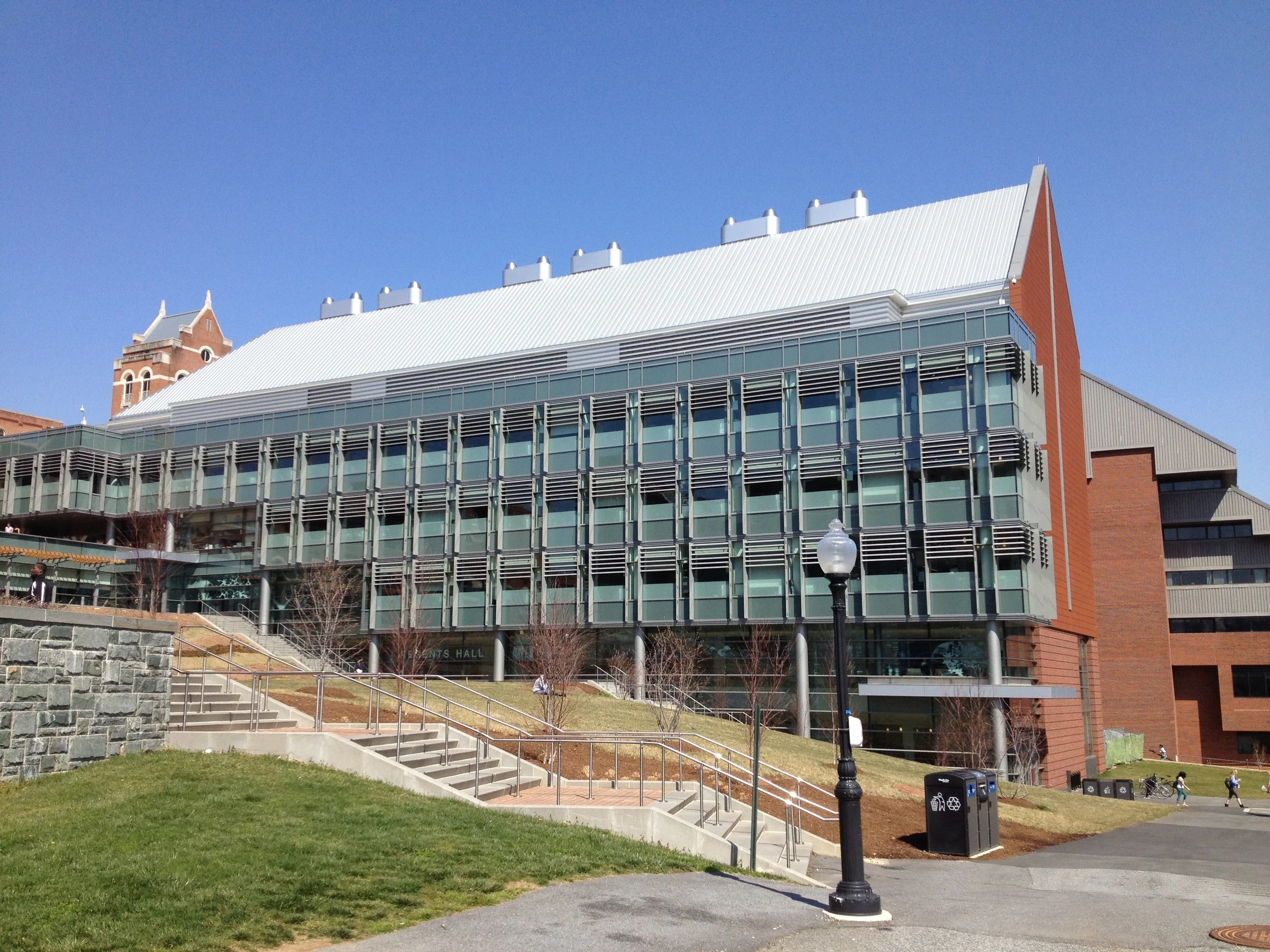
While some bacterial infections are caused by a single species, we now know that most infections are polymicrobial in origin. We study the molecular mechanisms that govern synergistic and antagonistic interactions in chronic wounds
Current research
Branched-chain fatty acids and virulence
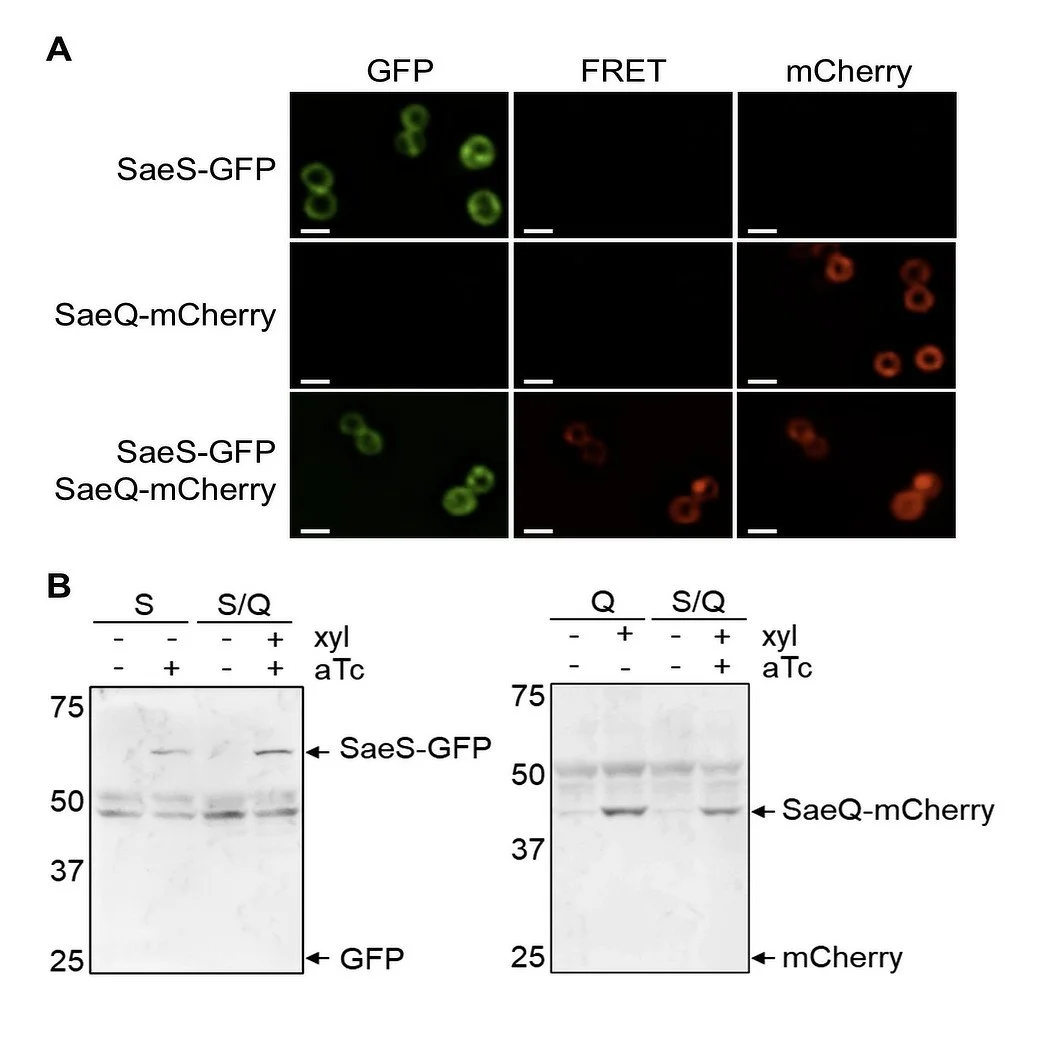
The SaePQRS two-component system is one of two major regulators of virulence in Staphylococcus aureus. We discovered that the membrane sensor kinase SaeS is sensitive to the membrane environment. Specifically, we discovered that the kinase requires phospholipids containing branched-chain fatty acids derived from isoleucine for activity. We are using spatial lipidomics, native mass spectrometry, and Förster Resonance Energy Transfer approaches to dissect the mechanism.
Branched-chain fatty acid synthesis
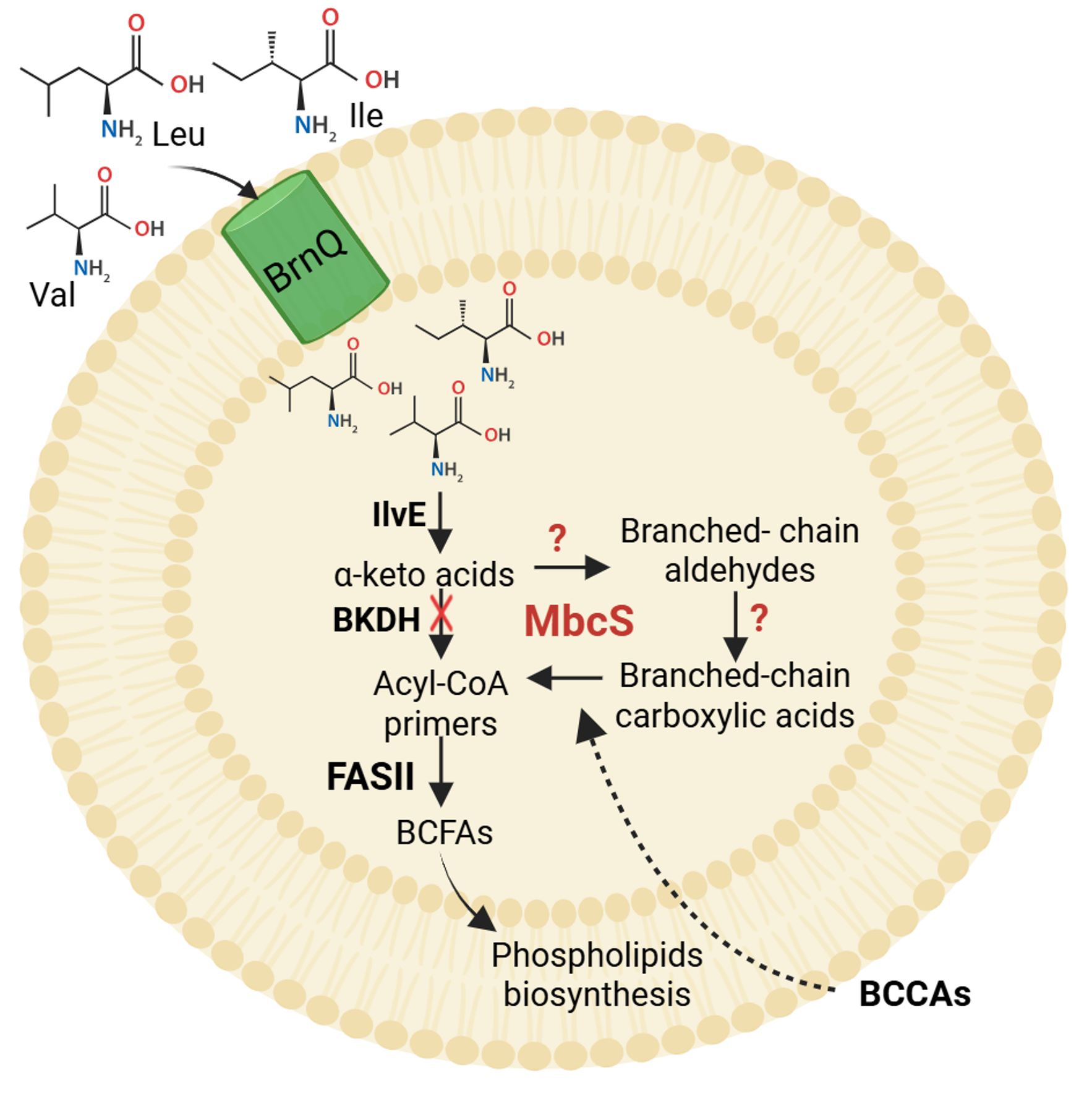
The branched-chain a-keto acid dehydrogenase complex (BKDH) catalyzes the formation of branched-chain acyl-CoAs that are essential for S. aureus growth in vitro and in skin and soft tissue infections; inactivating BKDH results in branched-chain fatty acid (BCFA) auxotrophy. Interrogating suppressor mutants led us to discover a new pathway that makes the precursors that feed FA synthesis. We are working to identify and characterize the genes and steps of this new pathway.
Polymicrobial interactions
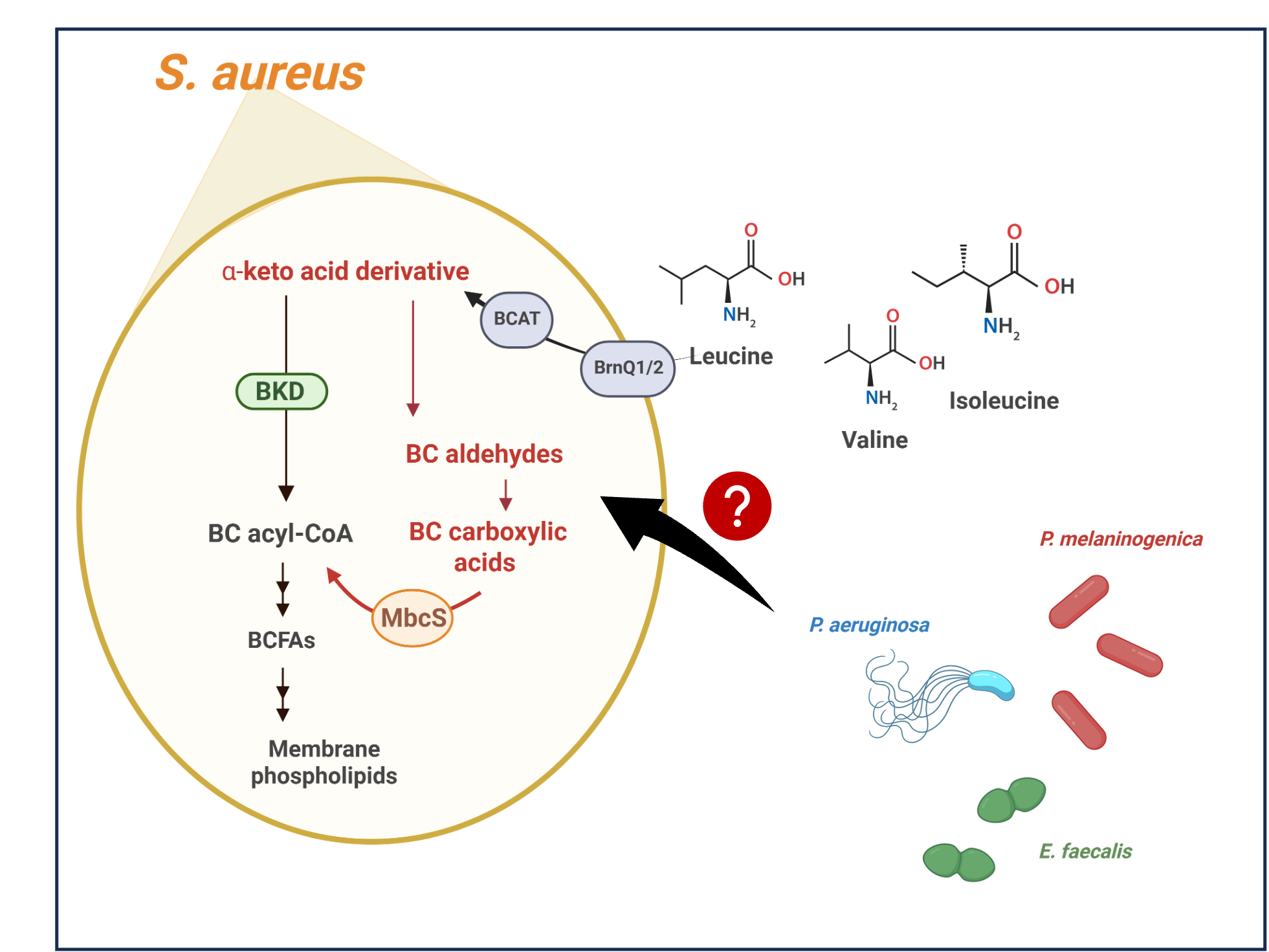
Co-infections with multiple bacterial species usually result in worsened patient outcomes than their mono-infection counterparts. The bacteria are more virulent, persistent, and tolerant to antibiotics, resulting in treatment failure. We are investigating the mechanisms underlying apparent synergy between S. aureus and Enterococcus faecalis, with a specific interest in metabolism in chronic wounds.